


Terminals +info
Lisbon Humberto Delgado Airport (LIS) operates with two passenger terminals and is the main international gateway to Portugal.
Originally opened in 1942 as Portela Airport, it rapidly became one of Southern Europe’s key aviation hubs due to Lisbon’s strategic position between Europe, Africa and the Americas.
In 2016, the airport was officially renamed after General Humberto Delgado, an important figure in Portuguese aviation history.
Today, Terminal 1 handles most international, full-service and long-haul flights, while Terminal 2 is mainly dedicated to low-cost carriers and European routes.
Reviews +info
On this website, you will find valuable tips and reviews about Lisbon Humberto Delgado Airport, designed to help you navigate your travel experience smoothly. These reviews can help you understand what to expect in terms of service quality, cleanliness, and overall passenger experience.
-Our Review of Lisbon Airport
-Pros and Cons of LIS Airport
-Mini-Guide of the Airport (2’ Guide)
-Other reviews
-Some Statss
Transport +info
Lisbon Airport offers excellent transportation connections to both the city centre and the rest of Portugal, making it one of the easiest European airports to access.
Located just 7 km from downtown Lisbon, passengers can reach the city in less than 20 minutes by metro, taxi or transfer.
The airport is also connected by urban buses, long-distance coaches and car rental services, providing convenient options for business travelers, tourists and visitors exploring Lisbon, Cascais, Sintra or other regions of the country.
Contact
About Lisbon
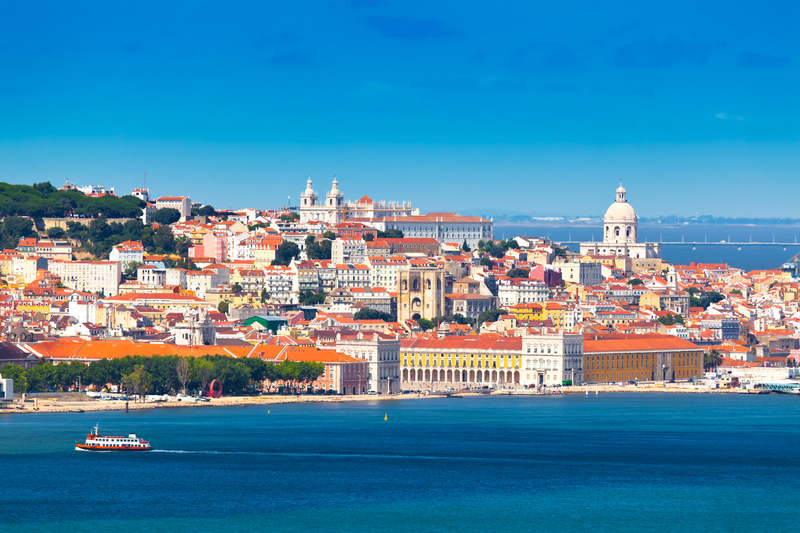
Lisbon is one of Europe’s most charming capitals, combining history, culture, ocean views and a relaxed atmosphere. Built across seven hills along the Tagus River, the Portuguese capital offers colorful streets, historic trams, traditional neighborhoods and excellent food. Thanks to Lisbon Humberto Delgado Airport (LIS), located just a few kilometers from the city centre, visitors can begin exploring shortly after landing.
One of the highlights of Lisbon is the historic district of Alfama, famous for its narrow streets, viewpoints and authentic Portuguese atmosphere. Here, travelers can listen to traditional Fado music while enjoying local cuisine in small restaurants and taverns. Nearby, the São Jorge Castle provides panoramic views over the city and the river. Another must-see area is Baixa and Chiado, the commercial and cultural heart of Lisbon, full of cafés, elegant squares and historic buildings.
Belém is another essential stop. Located west of the city centre, this district is home to some of Portugal’s most iconic landmarks, including the Belém Tower and Jerónimos Monastery, both UNESCO World Heritage Sites. Visitors should also try the famous “Pastéis de Belém”, Portugal’s traditional custard tart.
Modern Lisbon can be discovered at Parque das Nações, the area redeveloped for Expo 98. It features contemporary architecture, riverside promenades, shopping centres and the Lisbon Oceanarium, one of Europe’s best aquariums.
Beyond the city, there are excellent day-trip destinations. Sintra, located around 40 minutes from Lisbon, is one of the most popular excursions. This magical town is known for its colorful Pena Palace, historic estates and forested hills. Cascais, a coastal town west of Lisbon, offers beaches, seafood restaurants and a relaxed seaside atmosphere. Another recommended destination is Estoril, famous for its casino and Atlantic coastline.
Public transport in Lisbon is efficient and affordable. The Metro is one of the easiest ways to move around the city and directly connects the airport to downtown Lisbon in around 20 minutes. The iconic yellow trams, especially Tram 28, are also a popular way to explore historic districts. Buses, suburban trains and ferries complement the network and make it easy to reach nearby destinations such as Sintra or Cascais.
For tourists planning to use public transportation frequently, the Lisboa Card is highly recommended. It offers unlimited transport and free or discounted access to many attractions and museums.
The best way to experience Lisbon is often by walking, although visitors should be prepared for steep hills and cobbled streets. Comfortable shoes are highly recommended. Sunset viewpoints known as “miradouros” are another highlight of the city. Miradouro da Senhora do Monte and Miradouro de Santa Catarina are among the most famous places to enjoy panoramic views.
Lisbon also hosts numerous events throughout the year. In June, the city celebrates the Festas de Santo António, with street parties, music, grilled sardines and decorations across traditional neighborhoods. During summer, visitors can enjoy outdoor concerts, riverside festivals and cultural events. Christmas markets and New Year celebrations also attract many travelers during winter.
Whether you are visiting for a short city break or exploring Portugal more extensively, Lisbon offers a perfect combination of history, culture, gastronomy and Atlantic lifestyle.